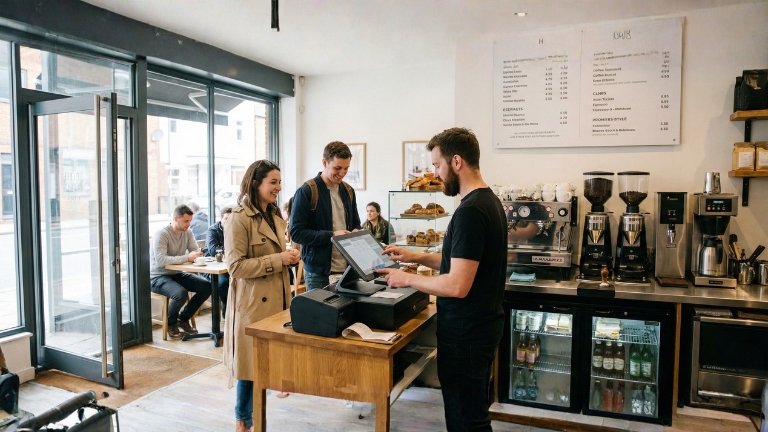
Ultimate Coffee Shop Equipment Checklist
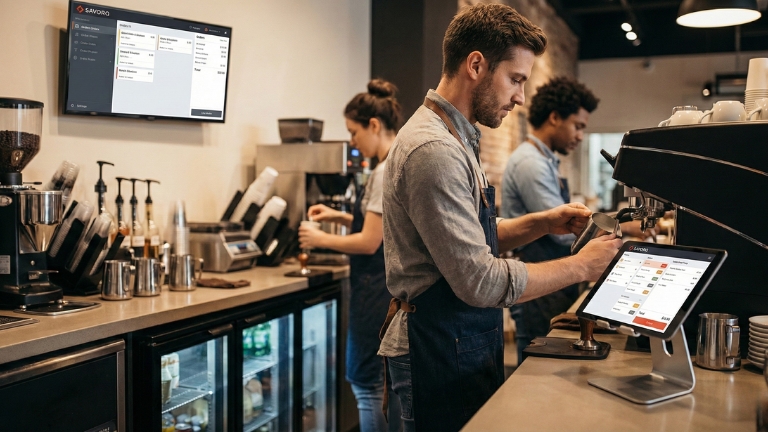
1. Coffee Brewing Equipment
This is where the coffee shop depends the most, so careful planning matters here.
Every drink starts at this station. Robust coffee brewing equipment improves speed and quality. That’s why most cafés rely on tried-and-tested commercial coffee machines.
Espresso Machine
Estimated price range (UK): £2,000 – £15,000
The espresso machine is the centerpiece of every busy coffee bar. It brews coffee under pressure, making service fast and consistent. However, a good commercial espresso machine requires regular maintenance.
Most of the menu is espresso based, so the speed and consistency of the machine directly affect queue times. This keeps service reliable during peak hours, which matters more than extra features.
Drip Coffee Brewer
Estimated price range (UK): £800 – £4,000
Drip coffee typically makes up a large portion of daily sales, especially in the morning. A reliable automatic drip coffee maker or batch brewer helps maintain speed and quality during rush hours. Plus, insulated containers keep the coffee hotter for longer and don’t let the flavor fade.
However, too many options can slow down service. Most successful cafés stock three to four coffee blends at a time. This keeps choice simple, reduces waste, and avoids constant rebrewing during peak hours.
The pressure is on in the morning, batch size and brewing speed become more important. A drip brewer should be chosen based on this, not on unnecessary features.
Coffee Grinders
Estimated price range (UK): £500 – £3,000
Good coffee is based on a precise grind, which is why commercial cafes use burr coffee grinders rather than bladed models. The uniformity of the grind directly affects the extraction, aroma, and flavor, whether it’s espresso or filter coffee.
Speed of service matters, so the grinder must tolerate fast and consistent use throughout the day. Many coffee shops have separate grinders for espresso and filter coffee, which saves time on adjustments and keeps the taste consistent.
When buying a grinder, focus on a sturdy construction and precise grind rather than extra settings. A reliable grinder keeps the workflow smooth during rush hours and maintains quality.
Pour-Over Equipment
Manual coffee brewing gives you complete control over the flavor. That’s why V60 and Chemex are so popular. But because they’re delicate, caution is essential.
Cold Brew Systems
Cold coffee is now a part of every menu. A simple cold brew equipment setup allows cafés to brew their own coffee. Keg systems, on the other hand, speed up service even more.
Commercial Blenders
Estimated price range (UK): £300 – £2,000
Blenders expand the menu even further. A powerful coffee shop blender makes smoothies and frozen drinks easy. Although expensive, they are reliable during busy times.
2. Coffee Bar Accessories
Once the basic machines are set up, the smaller equipment completes the job. These coffee bar accessories improve the flow and speed of the bar. For this reason, the right barista tools can’t be overlooked.
These include tampers, milk pitchers, scales, shot glasses, and knock boxes. Everything supports precision and cleanliness in its place. This helps maintain smooth everyday service.
3. Ovens, Toasters & Cooking Equipment
If you want to serve food, the kitchen setup becomes important. The right coffee shop appliances keep service running smoothly. As a result, it’s important to plan for basic café kitchen equipment.
Most cafés serve breakfast and simple hot meals. For this reason, ovens and toasters are used every day. Compact machines are especially good in small spaces.
Commercial convection ovens typically cost between £5,500 and £24,000. Similarly, gas ranges and stoves cost between £1,600 and £24,000. While toasters are available in the range of £160 to £4,000.
If the menu is limited, a sturdy toaster will suffice. But a fast oven becomes essential for frozen items. This allows baristas to serve hot food without slowing down drink orders.
4. Ventilation Systems
The temperature in the kitchen rises rapidly during food preparation in a coffee shop, which is why proper café ventilation is essential. Proper ventilation not only keeps fumes and excess heat under control but also helps staff work in a comfortable environment.
And when service pressure increases, airflow becomes even more important, so a commercial kitchen exhaust should be selected according to the size and use of the kitchen. This way, hot air continues to escape and daily operations continue without interruption.
5. Microwaves
A microwave is a simple but essential convenience in the daily service of a coffee shop. A commercial microwave is used for quick heating of pastries or for light steaming. So it remains a practical part of coffee shop heating equipment for fast, consistent service.
6. Refrigeration Equipment: Refrigerators & Freezers
Estimated price range (UK): £800 – £11,000
Robust coffee shop refrigeration is essential to keeping milk, food and ingredients fresh during daily service, so it has a direct impact on quality. Most cafés use undercounter refrigerators behind the counter, while larger refrigerators are placed in the back area for storage. At the same time, the space of the refrigerator is also important. Refrigerators should be close to the espresso station so that baristas can work quickly during rush hours. Regular cleaning is also important, as coffee dust and milk particles accumulate quickly.
Freezers are equally important. Most cafes keep one freezer behind the counter so that quick-to-bake items are easily accessible, while the other is in the back storage. Frequently used frozen items are kept up front and excess stock is stored in the back.
It’s best to keep three to four basic options for milk. This usually includes whole milk, semi-skimmed milk and popular alternatives such as oat or almond milk. A limited selection reduces waste and keeps service fast. And when stock runs out, a walk-in fridge or freezer becomes a practical solution. This keeps storage organized and eliminates rushing in the service area.
Ice Maker
Cold drinks are a regular part of the menu, so an ice maker is essential. A properly cleaned and maintained ice machine for a café helps in the preparation of iced drinks. This way, the cold drink equipment is safe and the service is not affected.
7. Food & Coffee Preparation Surfaces
Because baristas and kitchen staff work at the same time, adequate counter space is essential. That’s why prep tables and stainless steel counters are used in most coffee shops, as they are both sturdy and easy to clean. So durable and sanitizable surfaces keep daily service running smoothly.
8. Prep Equipment
When prep surfaces are ready, the right café prep tools keep the day’s work organized. This food preparation equipment helps with speed, consistency, and safe handling.
Knives
Good preparation starts with a sharp blade, which is why chef knives are essential café kitchen tools. Since sharp knives provide better control, the job is safer.
Cutting Boards
Standard commercial cutting boards protect both surfaces and ingredients. Edged boards prevent liquids from spilling.
Pots & Pans
Sturdy saucepans for syrups and concentrates are essential syrup prep tools. That’s why good cookware is beneficial even on a limited menu.
Mixing Bowls
Stainless steel bowls and various prep bowls are used in daily preparation. Every job is different, a variety of sizes is essential.
Food Processors
A commercial food processor saves time in preparing sauces and ingredients. This helps the texture of each batch remain consistent.
Mixers
For bakery items, a stand mixer or bakery mixer can easily handle large quantities. This allows staff to focus more on service.
Storage & Shelving
The right café storage solutions keep daily operations organized, as stock can be easily handled. For this reason, sturdy shelving units, boxes, and crates keep coffee beans and inventory neatly stored.
Pumps and closed containers for syrups and toppings are essential, as they reduce waste. A well-thought-out storage system improves workflow and prevents profit loss.
Miscellaneous Supplies
Often it’s the little things that cause problems, which is why small café tools and backup supplies are essential. This way, work continues uninterrupted during busy times.
9. Safety & Security Equipment
Estimated price range (UK): £800 – £2,000
Every cafe has to comply with hygiene and safety regulations, which is why coffee shop safety equipment is an essential part of everyday operations. Basic food safety equipment keeps staff safe, maintains cleanliness, and prevents disruptions during busy hours.
At the same time, security cannot be ignored. CCTV cameras and burglar alarms help deter theft, monitor activity, and protect staff and customers. A robust security setup protects cash areas and entrances, ensuring service remains uninterrupted and smooth.
Essential safety and security items include:
- Gloves
- Aprons
- First aid kits
- Date labels
- Sani-buckets
- Bar rags
- Food-grade detergents
- Chemical safety data sheets
- CCTV cameras
- Burglar alarms for front and back doors
10. Sinks, Plumbing & Storage Setup
The smooth running of a busy café depends on cleanliness and organized storage, so commercial sinks and proper storage systems are essential to daily service. To meet café plumbing requirements, most cafés use a three-compartment sink, making it easy to wash, rinse, and sanitize utensils and kitchen equipment.
Meanwhile, bar sinks or disposal sinks handle spilled liquids immediately, while glass rinsers keep pitchers and shot glasses ready for service. And since cleanliness is essential at every step, handwashing sinks should be available in the kitchen, coffee bar, and washrooms.
In addition, organized storage keeps service fast. Proper containers, pumps, and storage are essential for coffee beans, syrups, and toppings. Syrup pumps control quantity, while boxes and crates keep beans close to the machine. If the storage system is not clear, work slows down, so planning makes daily service easier.
11. Restaurant POS System and Website for Coffee Shops
Estimated price range (UK): £0 – £1,800
A reliable coffee shop POS system controls orders, payments, and daily reporting from one screen. It also manages inventory, staff access, and performance data in one place. It tracks sales, manages inventory, controls staff access, and stores all performance data in one place. As the number of orders increases, this control becomes essential for smooth daily service.
At the same time, customer habits have also changed. Coffee shops now take orders at the counter, online, and by phone. A flexible POS system handles all channels simultaneously, ensuring that no orders are lost. Integration with delivery platforms and online ordering keeps service consistent even during busy times.
Many POS systems also include tools for creating a cafe website and collecting customer email data. This makes it easy to share offers, give updates, and build repeat customers without additional software.
Speed at the counter depends on the setup. Clear menu buttons, category sorting, and color-coded item recognition reduce order errors and save time. This is especially important during busy morning hours, when lines start to form.
Mobile POS systems provide an added convenience. Staff can take orders outside, at the drive-thru, or at a table. Orders reach the bar immediately, drinks are prepared quickly, and wait times are reduced. Fast service improves the customer experience and keeps workflows balanced.
POS systems also help limit cash usage and control staff permissions. This reduces errors and protects daily revenue, which is especially important for new coffee shops.
12. Kitchen Display System (KDS) & Beverage Essentials
When the number of orders increases, a Kitchen Display System (KDS) becomes essential to keep service organized. KDS transmits real-time orders directly to baristas and kitchen staff, reducing confusion during rush hours. It keeps the order flow smooth by connecting with the POS system.
Meanwhile, the quality of the drink also depends on the milk and water. Although these are not machines, they have a direct impact on the taste. Different milks change the taste and texture, so most cafes have three to four basic milk options. Generally, whole milk, semi-skimmed milk and dairy-free options like oat or almond are enough. A limited selection reduces waste and keeps service fast.
Water quality is equally important. An effective water filtration system protects the espresso machine from damage and improves the taste of the coffee, as most of the drink consists of water.
13. Industrial Blenders
Estimated UK price range: £80 – £24,000
Consumer demand for blended drinks has increased steadily in cafés, making blenders a regular part of modern coffee menus. Smoothies, frappes and frozen drinks put a lot of strain on the machine, especially during rush hours.
Due to this, durability and reliability are paramount. A quality commercial blender can handle repeated use with ease and won’t slow down service. While a good blender may increase the budget, it will provide better performance in the long run. As a result, faster service and a better customer experience are possible.
14. Serviceware & Takeaway Supplies
Serviceware should be something that matches the café’s atmosphere and can withstand everyday use. Sturdy cups, lids, and utensils are just as important as glassware and cutlery, as spills and spills are common. Meanwhile, napkins and cloths can handle minor coffee and pastry accidents.
Along the same lines, it’s important to pay attention to takeaway supplies. Paper bags, drink holders, and food containers help customers carry their orders with ease. And curbside pickup has become commonplace, an adequate supply of disposable serviceware keeps service running smoothly.
How Much Does Coffee Shop Equipment Cost?
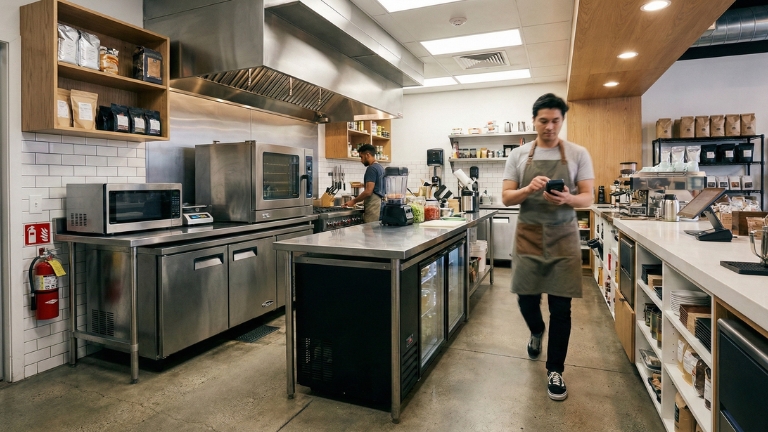
The first practical question when starting a coffee shop is the budget. Coffee shop equipment costs depend on your concept, the scope of your menu and the number of customers you will have each day. A simple setup will require less capital, while a full-fledged café will require more.
However, it is important to understand that not every setup is the same. A setup consisting of just coffee bar equipment, which primarily includes espresso and brewing machines, can be built for a lower cost than a full café. Whereas a full coffee shop setup includes additional coffee shop appliances, food prep areas, refrigeration and service systems, which increases the overall cost.
According to the industry, the equipment cost for a café typically ranges from £68,000 to £248,000. This difference is because each café is different in size, operation and requirements.
Small independent cafés start on a smaller budget with a limited menu and fewer machines. In contrast, larger branded cafés invest more in commercial espresso machines, refrigeration and food prep equipment. Ultimately, your vision sets the direction of your budget.
What to Consider Before Buying Coffee Shop Equipment?
Price is important, but buying just the cheapest machine often causes problems later. Each machine directly affects the speed of service, the taste of the coffee and the daily operations. Proper planning saves you from future losses.
1. Budget Planning
A coffee shop budget is not just about adding up the cost of the machines. In addition to the equipment investment, it is important to include rent, staff, and initial marketing from the start. Otherwise, even the best machines can put a strain on the budget.
Similarly, delivery, installation, and initial setup costs are often overlooked. Planning for future upgrades in advance can help avoid hasty decisions later. When the startup budget supports both the machines and operations, the coffee shop is on the right track.
2. Space & Workflow Planning
Even the most expensive machine is useless if the space isn’t organized properly. Accurate measurements and a clear coffee bar layout improve staff mobility and keep service fast during peak hours.
When equipment is thoughtfully placed, workflow improves and errors are reduced. This way, baristas can focus on speed and quality without interruption.
3. Menu and Capacity
Your menu determines which equipment is truly essential. A limited menu requires fewer machines, while a larger menu requires more flexibility. It is wise to consider future expansion.
4. Durability and Maintenance
Commercial machines should be able to withstand the daily stresses of everyday use. Robust equipment is less likely to break down, while easy cleaning preserves flavor and saves time.
5. Warranty and Supplier Support
A good equipment warranty protects your investment. Reliable suppliers and local service providers avoid delays in repairs, which won’t affect service.
Where to Get Restaurant Equipment?
Once you have a complete list of your coffee shop’s equipment, it’s easy to compare different suppliers. Local wholesalers offer reasonable prices, while online suppliers offer more choices.
Some café owners rent equipment initially, which makes it easier to test out the setup and keep the budget under control.
Financing or Leasing Options
If paying the full amount at once is difficult, financing or leasing can be a practical solution. This way, the capital is spread out over installments rather than being locked up in one place, making operations more flexible.
It also makes it easier to upgrade machines as demand increases. Many cafés choose leasing in the early stages to improve cash flow. For growing businesses, this method helps them expand without the pressure.
New vs Used Coffee Shop Equipment
When starting a coffee shop, there is a decision that affects all subsequent steps: whether to buy new coffee shop equipment or start with used coffee shop equipment. This choice shapes costs, day-to-day service, and business flexibility. New equipment is ready to use right away. It uses less power, performs better, and comes with a warranty. That same reliability comes in handy during peak hours. But price is often an issue. Spending too much can limit your budget for staff, marketing, or decor, especially in the beginning.
Used equipment is available at a lower cost and makes room for other coffee shop necessities. Commercial machines in good condition can last for years. The risk increases when there is no warranty. Sudden breakdowns can affect service. Refurbished equipment from a trusted supplier is considered a safer choice. Most cafe owners have a combination of both. Important machines such as espresso machines are purchased new, while other equipment is selected, used or refurbished, so that the budget remains balanced and performance is maintained.
Next Steps After Finalising Your Coffee Shop Equipment
Once you have a list of all the equipment you need for your coffee shop, the focus shifts from purchasing to practical use. It’s not just the machines that make a cafe run, it’s how the staff use them that makes the difference. Start by training your staff. When baristas know how to operate, clean and check the machines properly, the quality of service is maintained and the chances of breakdowns are reduced. This step also protects quality and investment.
Next, review the workflow. If the bar and kitchen are set up correctly, unnecessary traffic is reduced, which is especially important during rush hour. Sometimes a small change in the layout is more beneficial than buying a new machine.
Finally, focus on the customer experience. A clear menu, consistent service and a calm counter atmosphere build trust. When the staff, equipment, and work system work together correctly, the cafe feels strong from the start.